
Evidence-based concussion care
Dr Aden Cockburn, DC is a proud to offer the Complete Concussions Program at our clinic.
As a certified Complete Concussions location we provide a full evidence-based concussion management program including everything from pre-season baseline testing to concussion treatment and rehabilitation, helping our patients and athletes safely return to learn, work and play.

What is a concussion?
A concussion is a brain injury caused by acceleration or deceleration of the brain following a significant impact to the head or elsewhere on the body. The impact causes dysfunction within brain cells and decreased blood flow, resulting in temporary deficits in brain function.
Symptoms may include loss of consciousness, headache, pressure in the head, neck pain, nausea or vomiting, cognitive problems, dizziness, or balance problems, among others.
Concussion Treatment
Following a concussion injury, it is recommended that you seek the care of a healthcare professional with training and experience in concussion as soon as possible. In fact, recent studies have concluded that one of the best predictors of concussion recovery was how fast you were assessed at a concussion clinic. The earlier you seek quality concussion care, the better your recovery will be.
Generally, a period of relative “symptom-limited” physical and cognitive rest is recommended for the first 24-48 hours after injury. After this rest period, a gradual increase in mental and physical activity is recommended. For optimal recovery, this process should be directed and supervised by a licensed healthcare practitioner trained in concussion management.
If symptoms of a concussion are still present after 7 to 10 days, an individualized treatment and rehabilitation program should be initiated. The scientific evidence indicates that concussion is best treated with early application of specific cardio exercise programs, rehabilitation for the visual and vestibular systems, treatment aimed at the neck and associated whiplash, dietary and supplement recommendations, as well as patient education.
As part of our Complete Concussions program, we offer a full-suite of evidence-based concussion treatment services & strategies including:
- Balance Rehab
- Nutritional interventions
- Vision Rehab
- Cognitive Testing
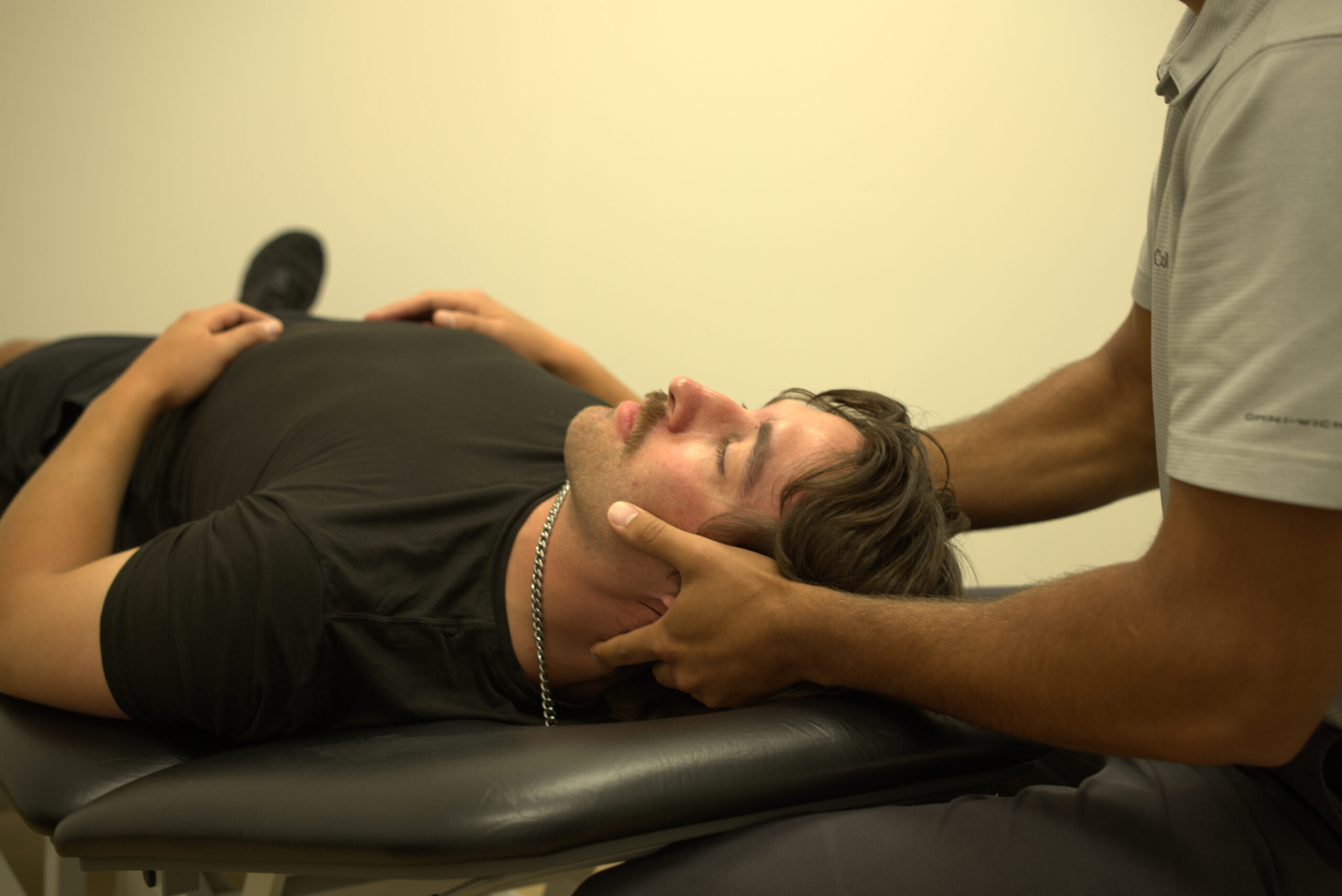
- Integrated Manual Therapy
- Exercise Rehab
- Return to School, Work and Sport
- Pre-season Testing
- Educational resources
Preseason Testing
Multimodal pre-season testing (AKA Baseline Concussion Testing) is a series of physical and cognitive tests that provide a pre-injury overview of healthy brain function. In other words, we test your balance, your reaction time, your memory, your visual tracking speed, and a whole bunch of other brain functions. This gives us a map of how your brain functions when you are healthy.
If you sustain a concussion, we can use your pre-injury results to see not only where the deficits are, but how much deficit exists. This can help us both with our treatment strategy and with developing a better understanding of when your brain has recovered and you are safe to return to your sport.
It’s important to remember that not all baseline testing is created equal. The Complete Concussions protocol is unique in that it combines the best evidence-based tools available so that you are getting the most complete brain map available.
Frequently Asked Questions
A concussion should be taken seriously. If you have symptoms following a head injury, we assess your condition and help determine the appropriate next step. If your symptoms suggest an emergency or require medical assessment, we will recommend that you seek appropriate medical care.
Recovery time varies from person to person. Your symptoms, previous injuries, activity level, and how your symptoms respond as you gradually return to activity can all affect recovery. We monitor your progress and adjust your plan as you improve.
Returning to exercise too quickly can make symptoms worse. We help you gradually increase your activity based on how you are responding and your stage of recovery.
Returning to sport should be gradual and based on your symptoms and ability to tolerate increasing levels of activity. We will help guide your progression and determine when you are ready to advance to the next stage.
Some people can continue working or attending school with appropriate modifications, while others need more time to recover. We will help you understand how your symptoms respond to activity and provide guidance as you gradually return to your normal routine.
Some symptoms after a head injury require immediate medical attention. Seek emergency care for symptoms such as worsening severe headache, repeated vomiting, loss of consciousness, seizures, significant confusion, or rapidly worsening neurological symptoms. Concussion management should not replace emergency medical assessment when it is needed.