

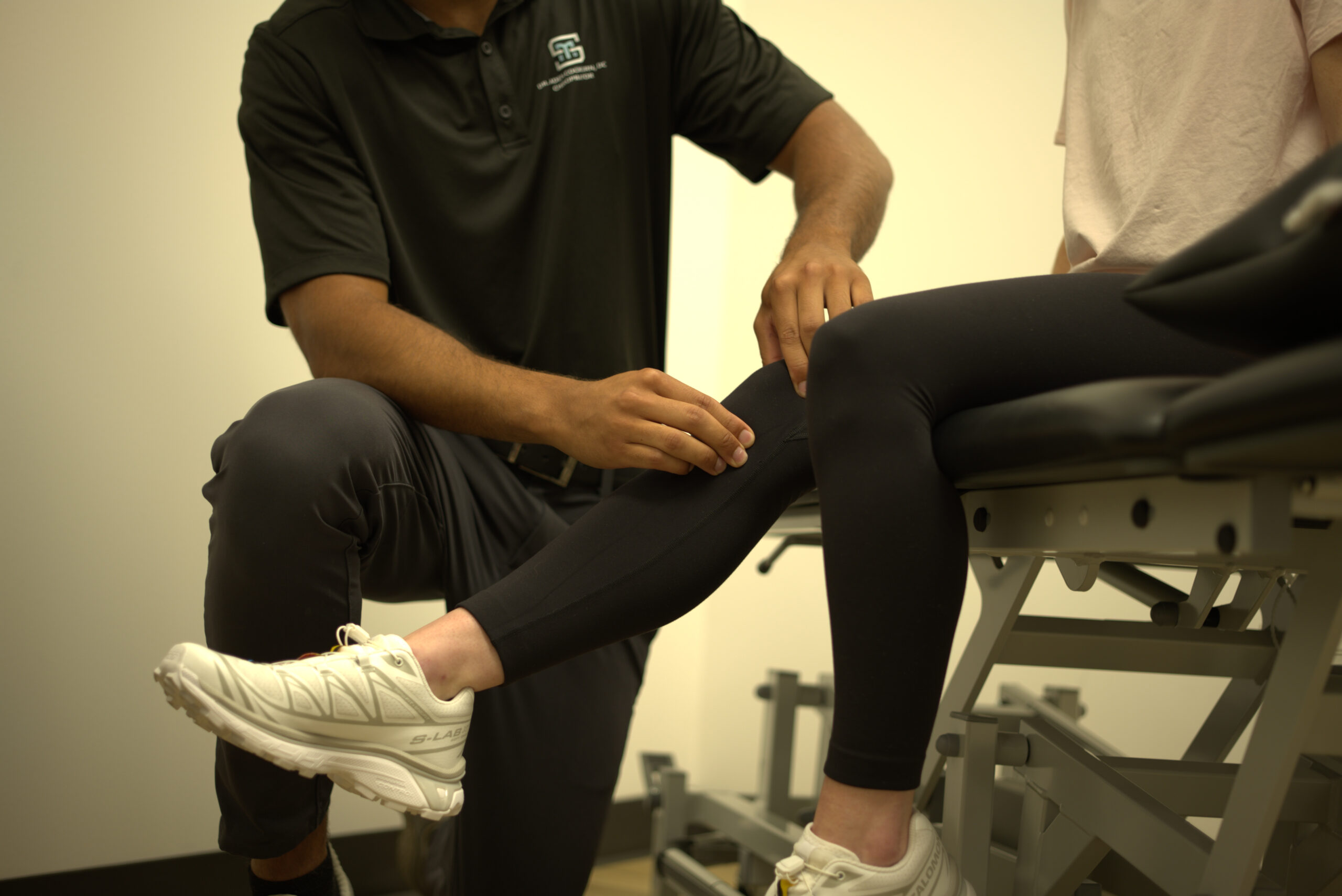
Joint pain and stiffness can affect how you move, exercise, work, and participate in the activities you enjoy. Whether symptoms develop from an injury, repetitive activity, reduced mobility, or changes in how your body moves, understanding the factors contributing to your symptoms is an important part of effective care.
Our approach begins with a thorough assessment to understand your symptoms, movement, and goals. Treatment combines hands-on care, mobility exercises, and personalized rehabilitation to help improve joint function, restore movement, and support your ability to stay active.
Common symptoms
Joint pain and stiffness can affect different areas of the body and may present in a variety of ways. Common symptoms include:
- Pain during movement or activity
- Joint stiffness
- Reduced range of motion
- Difficulty with certain movements
- Feeling restricted during exercise or daily activities
- Discomfort after prolonged positions or repetitive movements
Joint symptoms can occur in areas including the neck, mid back, low back, hips, shoulders, knees, feet, and hands.
Common causes and contributing factors
Joint pain and stiffness can develop from several factors, including:
- Previous injuries
- Repetitive movements
- Reduced mobility
- Muscle tightness
- Muscle weakness
- Changes in movement patterns
- Physical demands from work, sports, or daily activities
During your assessment, we look beyond the painful area to understand how your overall movement, strength, and mobility may be contributing to your symptoms.
How chiropractic care improves joint pain and stiffness
Chiropractic care focuses on improving joint mobility, reducing discomfort, and restoring normal movement through a combination of hands-on treatment and rehabilitation.
Your treatment plan may include:
Spinal and joint manipulation
Joint mobilization
Soft tissue therapy
Mobility exercises
Strengthening exercises
Personalized rehabilitation plans
Treatment is based on your assessment findings and goals. Whether you are recovering from an injury, dealing with ongoing stiffness, or looking to maintain your mobility, we create a plan designed around your specific needs.
What to expect during your assessment and treatment
Your first appointment includes a detailed history, physical examination, and movement assessment to understand your symptoms and how they affect your daily activities.
During your assessment, we evaluate factors such as:
- Joint mobility
- Range of motion
- Movement patterns
- Strength
- Flexibility
- Functional limitations
After your assessment, we explain your findings and discuss your treatment options. If appropriate, treatment may begin during your first appointment.
Your care may include hands-on treatment, rehabilitation exercises, and education to help you understand your condition and take an active role in your recovery.
Throughout your treatment plan, we reassess your progress and adjust your care as needed to ensure your treatment continues to match your goals.
When should headaches be assessed by another healthcare provider?
While many joint concerns can be managed through chiropractic care, some symptoms require additional medical assessment.
Seek medical attention if you experience:
- A significant injury or trauma
- Sudden loss of movement or function
- Rapid weakness
- Severe swelling or redness
- Loss of bowel or bladder control
- Chest pain or shortness of breath
If you are unsure whether chiropractic care is appropriate for your symptoms, an assessment can help determine the next best step.
Frequently Asked Questions
Joint stiffness can develop from injuries, reduced mobility, muscle tightness, repetitive activities, prolonged positions, or changes in how the body moves.
We treat a variety of areas including the neck, mid back, low back, pelvis, hips, shoulders, knees, feet, and hands.
Not necessarily. Staying active is often an important part of maintaining strength and mobility. Your exercise plan can be adjusted based on your symptoms and goals.
Our care focuses on improving mobility, function, and movement strategies. An assessment can help determine whether treatment is appropriate for your specific symptoms and goals.
The number of treatments depends on your symptoms, goals, activity level, and how your body responds to care. Your recommended treatment plan will be discussed after your assessment.
Joint stiffness can return if contributing factors are not addressed. Education, exercises, and movement strategies are provided to help you maintain your progress and support long-term function.