
Sciatica and nerve irritation can cause pain, tingling, numbness, or discomfort that travels from the lower back into the hip, buttock, or leg. These symptoms can affect your ability to sit, sleep, work, exercise, and complete everyday activities.
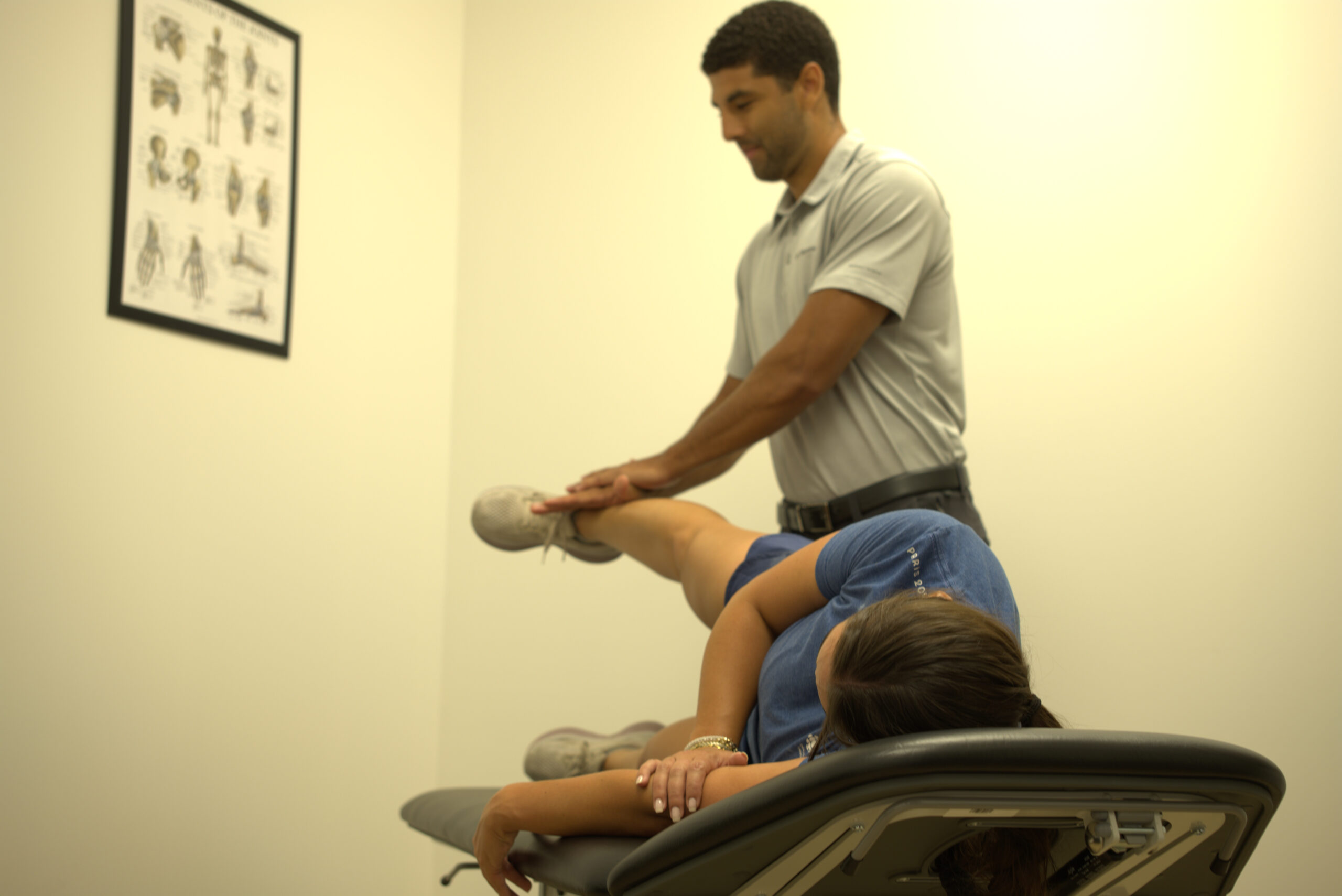
Our approach begins with a thorough assessment to understand your symptoms and identify factors that may be contributing to nerve irritation. Treatment combines hands-on care, movement-based rehabilitation, and personalized exercises to help reduce symptoms, improve mobility, and support a return to your normal activities.
Common symptoms
Sciatica and nerve irritation can present differently depending on the underlying cause. Common symptoms include:
- Pain in the lower back, hip, or leg
- Sharp or shooting pain
- Pain that travels down the leg
- Numbness or tingling
- Symptoms that worsen with bending forward
- Discomfort with prolonged sitting
- Pain that affects sleep or daily activities
Symptoms may occur on their own or alongside back pain, stiffness, and movement restrictions. Symptoms may become more noticeable with certain activities or positions, including bending forward, sitting, or sleeping.
Common causes and contributing factors
Joint pain and stiffness can develop from several factors, including:
- Disc injuries
- Nerve entrapment
- Repetitive movements
- Reduced mobility
- Muscle tightness
- Muscle weakness
- Changes in movement patterns
- Physical demands from work, sports, or daily activities
We will perform a thorough assessment to identify the factors contributing to your symptoms and guides your personalized treatment plan.
How we help with sciatica and nerve irritation
Our goal is to address the factors contributing to your symptoms, not simply provide temporary relief. We create a personalized treatment plan focused on reducing irritation, improving movement, and strengthening the supportive tissues around the affected area.
Your treatment plan may include:
- Spinal and joint manipulation or mobilization
- Soft tissue therapy
- Mobility exercises
- Personalized rehabilitation exercises
- Strengthening exercises to support the affected areas
- Education on managing symptoms and preventing future flare-ups
By improving mobility and strengthening the tissues that support your body, we help you develop the tools needed to recover, stay active, and reduce the risk of future flare-ups.
What to expect during your assessment and treatment
Your first appointment includes a detailed history, physical examination, and movement assessment to understand your symptoms and how they affect your daily activities.
We take the time to identify:
- Where your symptoms are coming from
- Factors contributing to sciatica and nerve irritation
- Movement limitations
- Strength and mobility concerns
- Appropriate treatment options
After your assessment, we explain your findings and discuss your treatment plan. Throughout your care, we reassess your progress and modify your treatment plan as needed. Your chiropractor will always work directly with you during your appointments, making sure you receive proper care, as well as the education and support needed to continue progressing between visits.
When should sciatica or nerve irritation be assessed by another healthcare provider?
While many cases of sciatica and nerve irritation can be managed through chiropractic care, some symptoms may require additional medical assessment.
Seek immediate medical attention if you experience:
- Loss of bowel or bladder control
- Rapidly worsening weakness
- Loss of sensation in the inner thighs or groin area
- Severe symptoms following a major injury
- Chest pain or shortness of breath
If you are unsure whether your symptoms require further assessment, a healthcare professional can help determine the appropriate next step.
Frequently Asked Questions
Sciatica describes pain or symptoms that travel along the path of the sciatic nerve, often causing discomfort in the lower back, buttock, hip, or leg.
Sciatica can be caused by irritation of the sciatic nerve due to factors such as disc injuries, disc herniations, nerve entrapment, or changes in movement patterns.
Sciatica pain is often described as sharp, shooting, burning, or travelling pain that moves from the lower back into the hip, buttock, or leg. Some people may also experience numbness or tingling.
Our approach focuses on addressing contributing factors rather than only managing symptoms. Treatment combines hands-on care, exercise, and education to improve movement, strengthen supportive tissues, and help you better manage your condition.
Recovery time varies depending on the cause of your symptoms, severity, activity level, and how your body responds to treatment. Your assessment helps determine an appropriate care plan.
Yes. Personalized rehabilitation exercises are an important part of care. Your exercises are selected based on your symptoms, goals, and activity level, then progressed as you improve.
Sciatica symptoms can return if contributing factors are not addressed. Rehabilitation exercises, movement strategies, and education help support long-term recovery and reduce the risk of future flare-ups.