Sports and workplace injuries can affect your ability to train, work, and participate in the activities you enjoy. Whether an injury occurs during a game, workout, physical job, or repetitive daily activity, proper assessment and treatment can help you understand what is contributing to your symptoms and how to recover.
We provide hands-on care and rehabilitation for active individuals who have been injured while training, playing sports, working out, or performing physically demanding tasks. Each treatment plan is tailored to your goals, whether that means returning to your sport, getting back to work, or improving your ability to stay active.
Common injuries we treat
Sports and workplace injuries can involve muscles, joints, tendons, and other tissues throughout the body. Common injuries we help address include:
- Sprains
- Strains
- Overuse injuries
- Tendinopathy
- Shoulder pain
- Knee pain
- Ankle sprains
- Back pain
These injuries can occur from sudden movements, repetitive activities, increased training demands, workplace tasks, or changes in how your body moves.
Common causes and contributing factors
Injuries often develop from a combination of factors, including the demands placed on your body during sport, work, or daily activities.
Common contributing factors include:
- Repetitive movements
- Increased training volume or workload
- Previous injuries
- Reduced mobility
- Muscle weakness
- Movement limitations
- Poor movement patterns
Understanding these factors helps us create a treatment plan that addresses your current symptoms while also helping reduce the risk of future injuries.
How chiropractic care supports recovery
Chiropractic care for sports and workplace injuries combines hands-on treatment, rehabilitation, and movement education to help reduce pain, improve function, and support recovery.
Your treatment plan is based on your injury, assessment findings, and goals. Care may include:
- Hands-on treatment to address painful or restricted areas
- Soft tissue therapy
- Joint manipulation or mobilization
- Personalized rehabilitation exercises
- Strength and mobility exercises
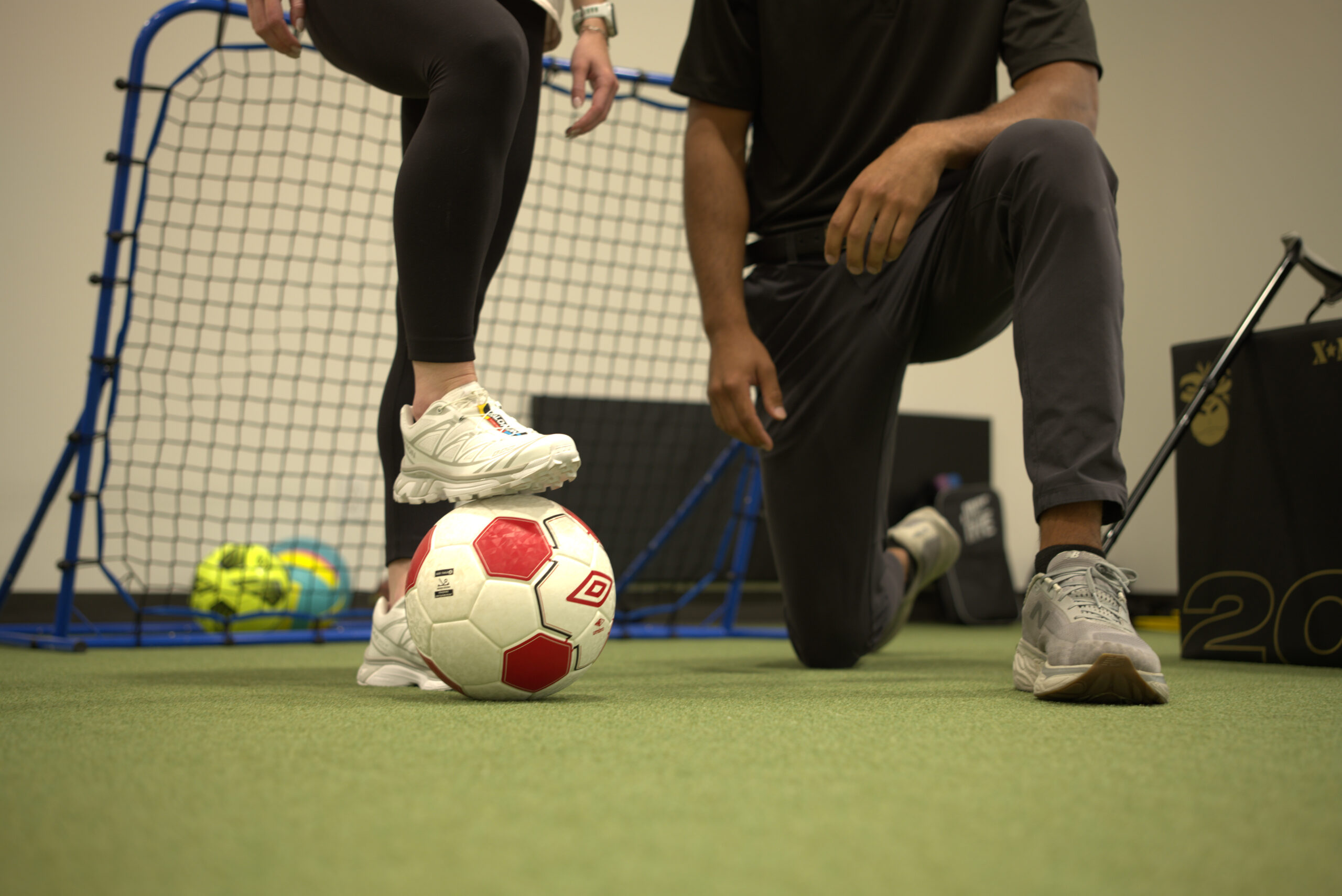
- Sport- or activity-specific movements
For athletes, exercises are tailored to the physical demands of your sport. As you improve, we progressively advance your rehabilitation to help you safely return to training, competition, or your desired level of activity.
For workplace injuries, treatment focuses on restoring movement, improving function, and providing strategies that help you manage the physical demands of your job.
What to expect during your assessment and treatment
Your assessment begins with a thorough history and examination to understand your injury, symptoms, activity demands, and goals.
Your assessment may include:
- Orthopedic testing
- Neurological examination
- Functional movement assessment
- Sport-specific movement assessment
Based on your assessment, we create a personalized treatment plan that combines hands-on care, rehabilitation exercises, and education.
Throughout your recovery, we progressively adjust your exercises based on your progress. You will receive tools and exercises that can be performed at home or in your own gym to continue your rehabilitation between appointments.
When should you seek medical attention?
Some injuries require additional medical assessment. Seek immediate medical attention if you experience:
- Loss of bowel or bladder control
- Chest pain
- Shortness of breath
- Rapid weakness
If your symptoms are severe, worsening, or you are unsure about the appropriate next step, seek guidance from a healthcare professional.
Frequently Asked Questions
We treat common sports injuries including sprains, strains, overuse injuries, tendinopathy, shoulder pain, knee pain, ankle sprains, and back pain.
Yes. Rehabilitation exercises are an important part of recovery. Exercises are selected based on your injury, goals, activity level, and progress throughout treatment.
In many cases, staying active is encouraged. Your rehabilitation plan is adjusted based on your symptoms, recovery stage, and the physical demands of your activity.
We progressively advance exercises to match the demands of your sport. Rehabilitation may include strengthening, mobility work, and sport-specific movements to help you return to your training needs.
Yes. We assess movement, mobility, strength, and biomechanics to identify factors that may increase injury risk. We provide strategies, exercises, and education to help you move more efficiently and reduce the risk of future injuries.
Recovery time depends on the type of injury, severity, activity demands, and how your body responds to treatment. Your assessment helps determine an appropriate treatment plan and recovery approach.
No. In Ontario, you do not need a referral to see a chiropractor. You can book directly for an assessment.