

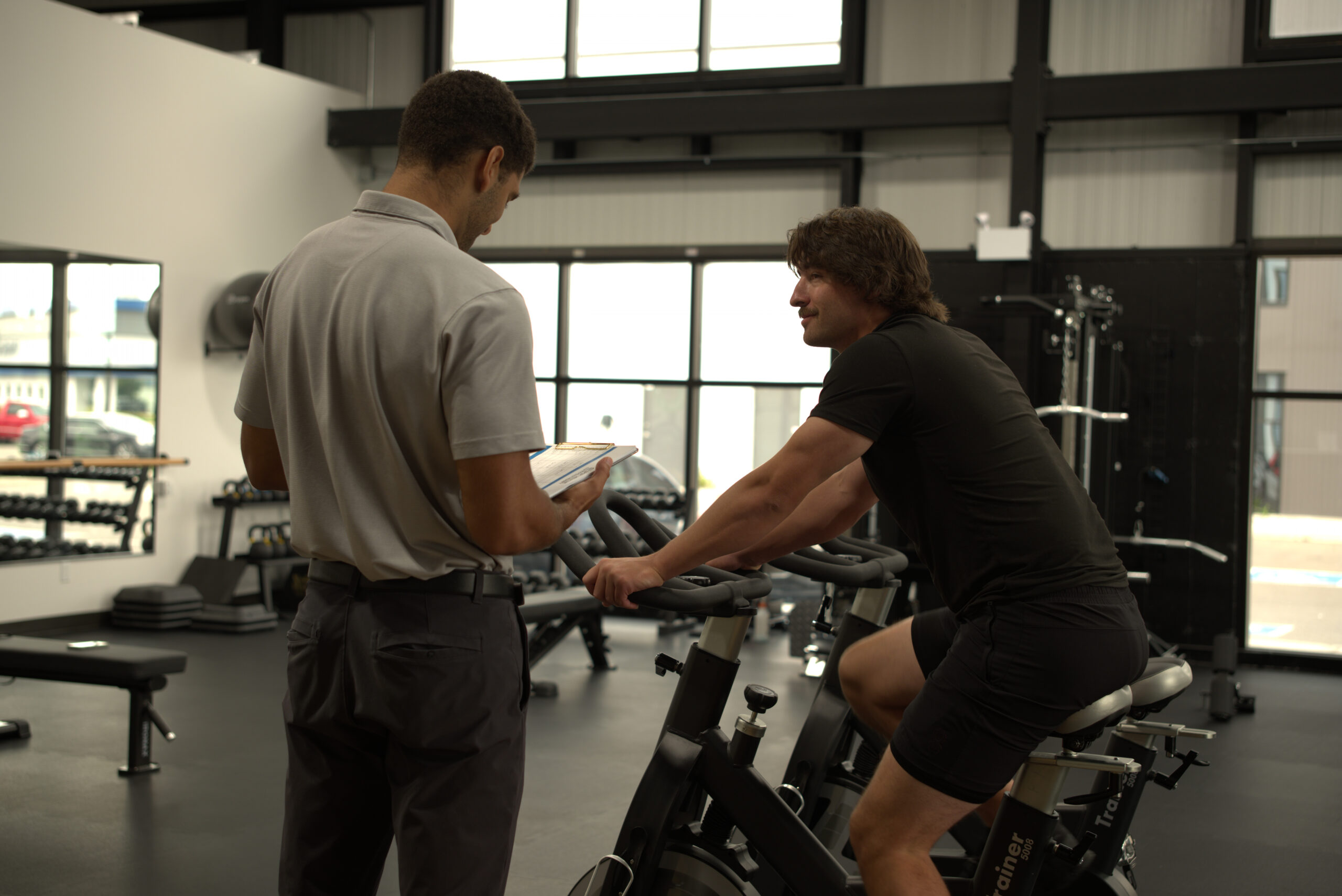
Limited mobility can affect how you move, exercise, work, and perform the activities you enjoy. Whether you are an athlete trying to improve performance, an active individual working to stay mobile, or someone experiencing stiffness that affects daily activities, understanding what is limiting your movement is an important part of improving function.
Our approach focuses on identifying mobility restrictions, understanding the factors contributing to them, and creating a personalized plan to help improve range of motion, reduce discomfort, and support better movement.
Common mobility challenges
Reduced mobility can affect many areas of the body and may impact everyday movements and physical performance.
Common mobility challenges include:
- Difficulty turning your head
- Trouble bending forward
- Limited ability to reach overhead
- Reduced hip mobility
- Feeling restricted during stretching or exercise
- Difficulty performing certain movements required for work, sport, or daily activities
Limited mobility does not always occur with pain. Some individuals seek care because they notice their movement is restricted or their performance has changed.
Common causes and contributing factors
Mobility restrictions can develop from several factors, including:
- Age-related changes
- Biomechanics
- Posture
- Previous injuries
- Reduced movement patterns
- Muscle tightness or weakness
During your assessment, we look at how your body moves as a whole, including mobility, strength, and movement patterns, to identify factors that may be limiting your performance or daily function.
How we help improve mobility and performance
Our goal is to help you move better by addressing the factors that are limiting your mobility and providing you with the tools to maintain your progress.
Your care plan may include:
- Hands-on treatment
- Spinal and joint manipulation or mobilization
- Soft tissue therapy
- Mobility exercises
- Strengthening exercises
- Personalized rehabilitation plans
- Movement education
By improving range of motion, reducing restrictions, and building strength in the areas that need support, we help you move more efficiently and perform at your best.
Whether your goal is returning to sport, improving your workouts, managing physical demands at work, or simply staying active, your treatment plan is built around your individual goals.
What to expect during your assessment and treatment
Your first appointment includes a detailed history, physical examination, and movement assessment to understand your current mobility, symptoms, and goals. During your assessment, we evaluate factors such as:
- Range of motion
- Joint mobility
- Strength
- Flexibility
- Movement patterns
- Biomechanics
After your assessment, we explain the findings and discuss your treatment options. If appropriate, treatment may begin during your first visit.
Your care plan is personalized to your needs and may include hands-on treatment and exercises you can complete in the clinic, at home, or in your own gym. Exercises are adjusted and progressed as you improve to ensure they continue supporting your goals.
When should mobility concerns be assessed by another healthcare provider?
Most mobility concerns can be evaluated through a comprehensive assessment. However, some symptoms require additional medical attention. Seek medical attention if you experience:
- Sudden loss of movement following a major injury
- Rapid weakness
- Loss of bowel or bladder control
- Chest pain
- Shortness of breath
If you are unsure whether chiropractic care is appropriate for your concern, an assessment can help determine the best next step.
Frequently Asked Questions
Mobility can decrease due to factors such as age, posture, previous injuries, changes in activity levels, biomechanics, and reduced strength or flexibility. An assessment can help identify what is contributing to your movement restrictions.
Yes. Our mobility treatments often involve a combination of hands-on treatment, targeted exercises, and consistent movement practice based on your specific limitations and goals.
Exercise is important for maintaining mobility, but certain restrictions can still develop due to movement patterns, previous injuries, muscle imbalances, or limitations in flexibility and strength.
Yes. Personalized exercises are an important part of care. Your exercises are selected based on your assessment findings, goals, and activity level, and are adjusted as you progress.
The timeline depends on your current mobility, contributing factors, goals, and how your body responds to treatment. Your plan is adjusted throughout your care to support your progress.
Yes. Maintaining mobility, strength, and movement quality is important at every stage of life. Our personalized plans can help you continue moving well and staying active.
The first step is scheduling an assessment. We will evaluate your movement, discuss your goals, explain your options, and create a personalized plan to help you improve your mobility and function.